

 See My Latest Article on HelloNation
What Should You Do First at the Scene of a Car Accident?
Immediately after a collision, safety is the main priority—both for those involved and for others on the road. If you’re physically able, move to a safe place near the accident site but away from traffic. Turn on your hazard lights to alert passing drivers. Avoid leaving the scene unless you need urgent medical help.
It’s common to feel confused or dazed after a crash. Take a moment to steady yourself and check for injuries. Before doing anything else, confirm everyone’s safety—including passengers, other motorists, bicyclists, or pedestrians nearby.
How Do You Check for Injuries and Get Help?
Quickly determine if anyone has been hurt. If someone is unconscious, unable to move, or showing signs of serious injury like heavy bleeding or chest pain, call 911 right away. When describing your location to emergency responders, reference nearby landmarks or mile markers if visible, as some roads in and around Rolla are rural and less clearly marked.
Don’t attempt to move anyone who appears to have neck or back injuries unless there is imminent danger (like fire). If possible, reassure those involved and let them know help is coming.
Even if there are no major injuries, Missouri law requires you to report most car accidents involving injury, death, or significant property damage. When in doubt, err on the side of calling authorities.
What Information Should Be Gathered While at the Scene?
Gathering reliable information is essential for answering legal questions and insurance claims later. Exchange names, contact details, and insurance information with others involved. Also, write down:
- License plate numbers
- Vehicle makes, models, colors, and locations
- The time, date, and precise location of the accident
- Weather and road conditions
If there are witnesses—such as nearby homeowners, pedestrians, or other drivers—ask for their contact information, as unbiased accounts can resolve future disputes.
Taking clear photos from different angles documents both vehicles’ positions, any visible damage, nearby traffic signs, and even debris. This documentation can be especially useful in cases where intersection layouts or road conditions contributed to the collision.
When and How Should You Talk to Law Enforcement?
Law enforcement may arrive to assist with traffic control and file a formal report. Cooperate respectfully and provide honest, factual statements. It’s enough to stick to the facts: what you saw, heard, or felt. Avoid speculating about fault or making accusations, which can complicate things unnecessarily.
In the Rolla area, some minor incidents may be handled by the Highway Patrol or by local police depending on location. If an officer does not come to the scene and the crash meets the state’s reporting requirements, you may need to fill out an accident report yourself. Copies of police reports can be requested later for your records.
Should You Seek Medical Attention Even if You Feel Fine?
Adrenaline and shock can mask injuries, making it possible to feel “okay” immediately after a crash despite actual harm. Some common car accident injuries—such as whiplash, soft tissue strains, or mild concussions—can appear hours or even days later.
Area hospitals and clinics are familiar with evaluating crash-related injuries. If you feel stiff, dizzy, confused, or start to develop pain later, seek timely medical care and keep copies of all reports or instructions you’re given.
How Should You Notify Your Insurance Provider?
Missouri law expects drivers to report accidents to their insurance company promptly. This is true even for minor incidents, especially if there were witnesses or potential property damage. When you call:
- Share only the facts—who, what, when, and where.
- Avoid admitting fault until all details are reviewed.
- Follow up with pictures or police reports, if available.
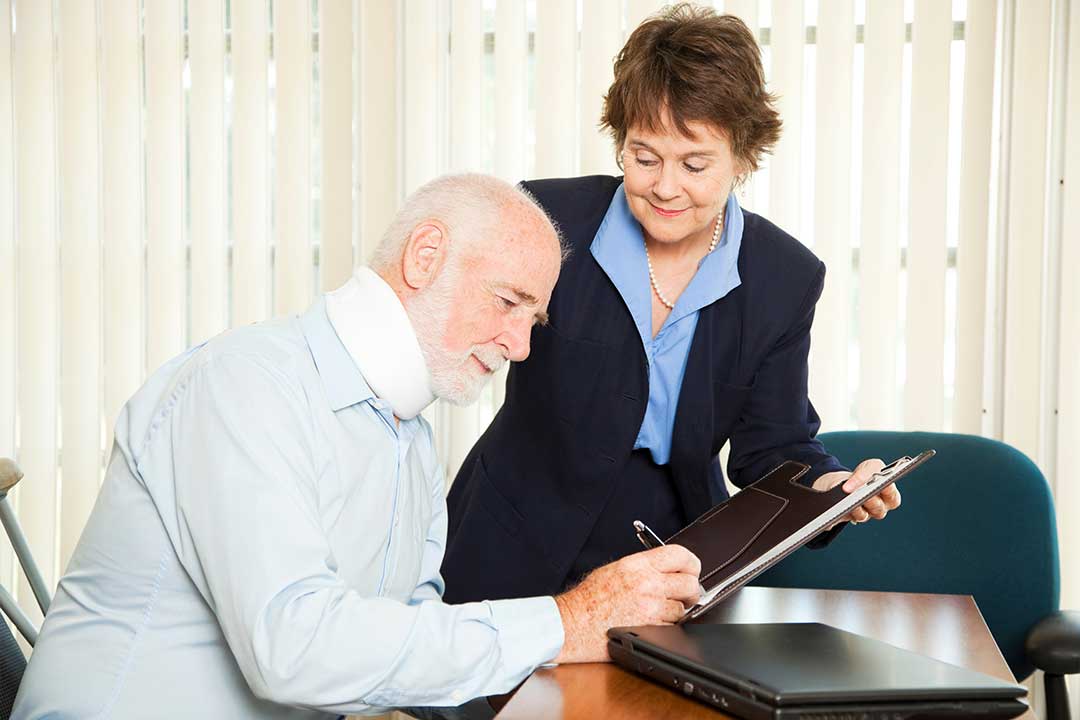
Insurance adjusters often ask for a thorough record. Keeping your own notes or timeline from the day of the crash helps ensure nothing is forgotten, especially if dealing with injuries or emotional stress.
What Local Factors Should Be Considered in Rolla, MO?
Certain characteristics unique to the area can play a part in crash response and later processes. Rolla’s weather can be unpredictable, with icy winter roads or sudden rain increasing accident risks. Some intersections are less visible due to hilly terrain or roadside trees.
It’s common in this region for motorists to carry emergency kits—like blankets, reflectors, or water—especially during winter or in rural stretches just outside city limits. If you’re waiting for assistance after a crash, having these supplies available can make a difference, particularly if you or passengers must stay inside the vehicle for warmth and safety.
What Are Common Mistakes People Make After a Car Accident?
After an accident, some people apologize or admit fault out of politeness or shock, which could complicate insurance or legal claims. Others forget to gather witness information or fail to get their own injuries checked because they feel “alright” at first.
A few other overlooked issues:
- Leaving the accident scene too quickly, especially before exchanging information
- Failing to call law enforcement when required
- Not taking photos before vehicles are moved (when it’s safe to do so)
It’s also a common misconception that minor crashes don’t need to be reported—Missouri regulations often require it, especially if anyone was injured or if property damage is significant.
What Steps Can Help Protect Your Rights Going Forward?
Staying calm and methodical after a car accident helps ensure your safety and protects your interests. Keeping your own accident record, seeking appropriate medical care, and understanding local regulations are crucial steps. Reliable documentation and a careful response help clarify what happened and are valuable should questions arise later from insurance providers or legal authorities.